
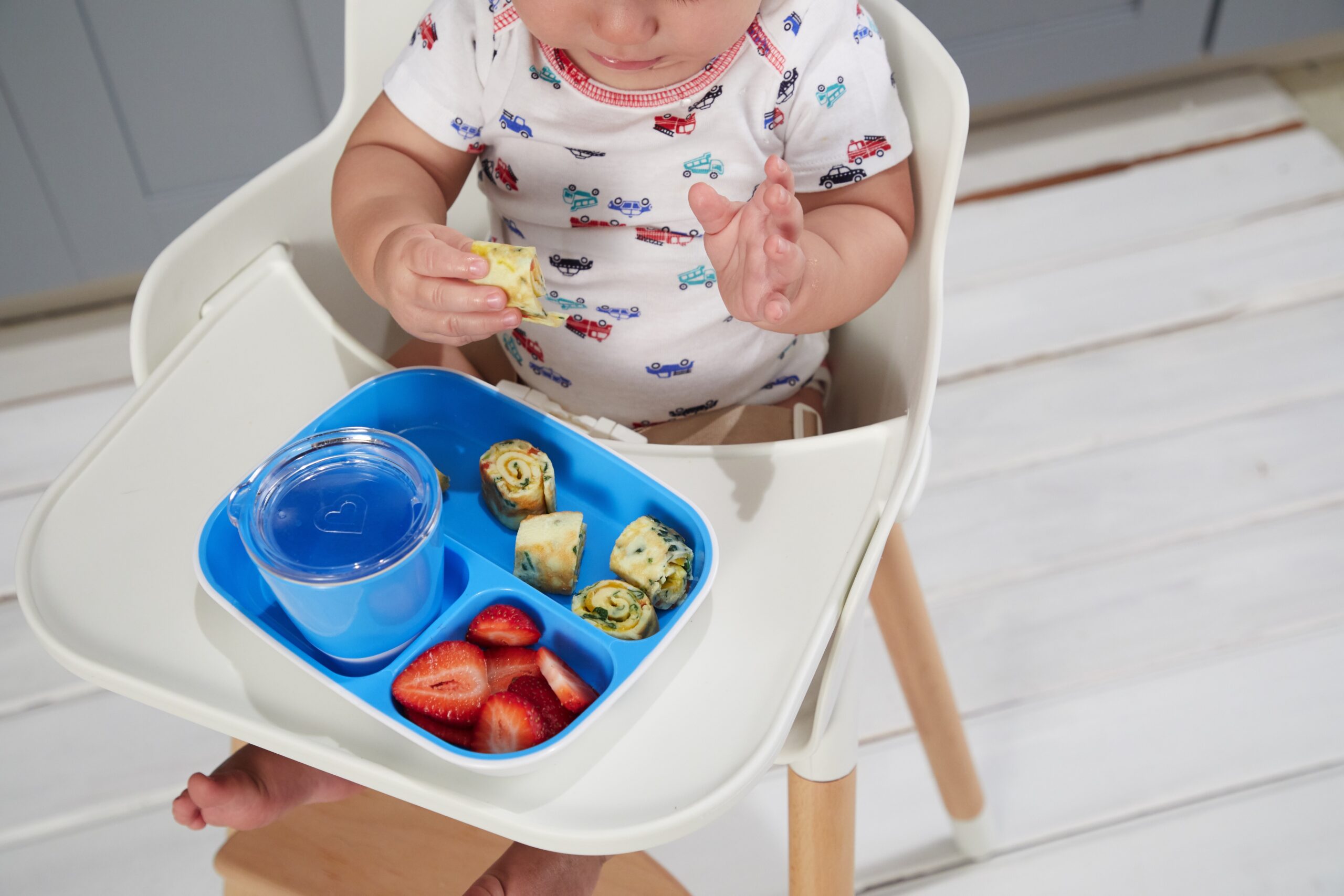
Food allergy has been estimated to impact approximately 8% of U.S. children, with peanut, milk, shellfish, and tree nut being the most common. In the U.S., approximately 1% of all children, and about 12% of children with food allergies are allergic to eggs [1]. Importantly, eggs are recommended as a first food for babies not only to help meet essential nutrient needs, but also to reduce the risk of allergy to eggs [2-5].
A new study published in Pediatrics found a significant decreased risk of peanut or any (IgE) food allergy incidence among younger children (0-3 years) following publication of early introduction guidelines [6]. This is a significant finding because it suggests that public health guidelines are working to help prevent food allergy.
These new data also show there was no change in incidence of egg allergy after publication of early introduction guidelines. As a result of the drop in incidence of peanut allergy, eggs were found to be the leading food allergen in this group of young children; however, egg allergy incidence is not increasing [6]. The authors suggest these differences may be related to variability in early introduction practices of specific foods.
Egg allergies are considered to have a high rate of resolution in childhood, with approximately 50% of children with egg allergy reaching tolerance between the ages of 2-9 years [7, 8]. Of significant interest, it has been observed that approximately 70-80% of children with egg allergy can tolerate extensively baked egg in foods like muffins or cakes (as opposed to lightly cooked eggs like scrambled or French toast) [8-11]. More research is needed to better understand whether including extensively baked eggs in the diet may potentially help some children move toward resolving an egg allergy.
However, prevention of allergy is the best approach for all children, and that is why leading allergy health societies conclude, “To prevent peanut and/or egg allergy, both peanut and egg should be introduced around 6 months of life, but not before 4 months…Other allergens should be introduced around this time as well [12].” Recent guidelines from the European Academy of Allergy and Clinical Immunology also recommend cooked egg around 4-6 months to reduce the risk of allergy to egg [13].
The American Egg Board supports ongoing scientific research in this area – helping to advance understanding of how to prevent and manage egg allergy.
For resources for health professionals and parents, including current guidance, science-based information and practical tools such as recipes and tips for introducing eggs and peanuts as a first food, check out our toolkit and early introduction educational materials.
References
- Gupta, R.S., et al., The Public Health Impact of Parent-Reported Childhood Food Allergies in the United States. Pediatrics, 2018.
- U.S. Department of Health and Human Services and U.S. Department of Agriculture. 2020-2025 Dietary Guidelines for Americans. 2020; Available from: https://www.dietaryguidelines.gov/sites/default/files/2020-12/Dietary_Guidelines_for_Americans_2020-2025.pdf.
- Dietary Guidelines Advisory Committee. Scientific Report of the 2020 Dietary Guidelines Advisory Committee: Advisory Report to the Secretary of Agriculture and the Secretary of Health and Human Services. 2020; Available from: https://www.dietaryguidelines.gov/sites/default/files/2020-07/ScientificReport_of_the_2020DietaryGuidelinesAdvisoryCommittee_first-print.pdf.
- Caffarelli, C., et al., Egg Allergy in Children and Weaning Diet. Nutrients, 2022. 14(8).
- Martone, G.M., et al., Delayed egg introduction beyond infancy and increased egg allergy risk in childhood. J Paediatr Child Health, 2022.
- Gabryszewski, S.J., et al., Guidelines for Early Food Introduction and Patterns of Food Allergy. Pediatrics, 2025.
- Sicherer, S.H. and H.A. Sampson, Food allergy: A review and update on epidemiology, pathogenesis, diagnosis, prevention, and management. J Allergy Clin Immunol, 2018. 141(1): p. 41-58.
- Savage, J., S. Sicherer, and R. Wood, The Natural History of Food Allergy. J Allergy Clin Immunol Pract, 2016. 4(2): p. 196-203; quiz 204.
- Nowak-Wegrzyn, A. and A. Fiocchi, Rare, medium, or well done? The effect of heating and food matrix on food protein allergenicity. Curr Opin Allergy Clin Immunol, 2009. 9(3): p. 234-7.
- Dang, T.D., R.L. Peters, and K.J. Allen, Debates in allergy medicine: baked egg and milk do not accelerate tolerance to egg and milk. World Allergy Organ J, 2016. 9: p. 2.
- Groetch, M. and A. Nowak-Wegrzyn, Practical approach to nutrition and dietary intervention in pediatric food allergy. Pediatr Allergy Immunol, 2013. 24(3): p. 212-21.
- Fleischer, D.M., et al., A Consensus Approach to the Primary Prevention of Food Allergy Through Nutrition: Guidance from the American Academy of Allergy, Asthma, and Immunology; American College of Allergy, Asthma, and Immunology; and the Canadian Society for Allergy and Clinical Immunology. The Journal of Allergy and Clinical Immunology: In Practice, 2021. 9(1): p. 22-43.e4.
- Halken, S., et al., EAACI guideline: Preventing the development of food allergy in infants and young children (2020 update). Pediatr Allergy Immunol, 2021. 32(5): p. 843-858.