
Search Results
Foodservice
From clockless dining to plant-forward recipes, see how eggs fit into the changing foodservice landscape.
Foodservice Recipes
Get inspired using our global chef-created and tested recipes. While eggs make an incredible breakfast sandwich, they really fit into any daypart, so check out the recipes for entrees, salads and sides too.Explore the recipes here:
Made With REAL Eggs™ Seal
Consumers of all ages want products made with fresh, real ingredients. The Made with REAL Eggs™ seal on food and beverage packaging instantly lets consumers know real eggs are used – and this is a powerful purchase incentive. According to research conducted by Datassential, among consumers who buy egg products, more than 8 in 10 […]

Regional American
Regional American Cuisine exudes a sense of place – whether it’s Southern comfort food birthed in a bayou or Tex-Mex.

Incredible Egg Trends
Who else but James Beard Recipients, Iron Chef competitors and cookbook writing chefs can talk about Incredible Egg Trends? In addition to on-point trending recipes, inspiring dishes from across the country, and infographics speaking to the trends, we deliver videos of those chefs creating signature dishes reflective of who they are – be it comfort […]
Egg Product Specifications Chart
Typical Specifications Download PDF
Value-Added Convenience Products
OVERVIEW Egg products are available in a multitude of convenient, value-added and precooked forms to offer manufacturers flexibility in creating ready-to-heat packaged items that require consistency and portion control. Many types of egg products can be customized to include the addition of other ingredients including herbs, spices, cheeses and diced vegetables. Sometimes they will contain […]
Refrigerated/Frozen Egg Products
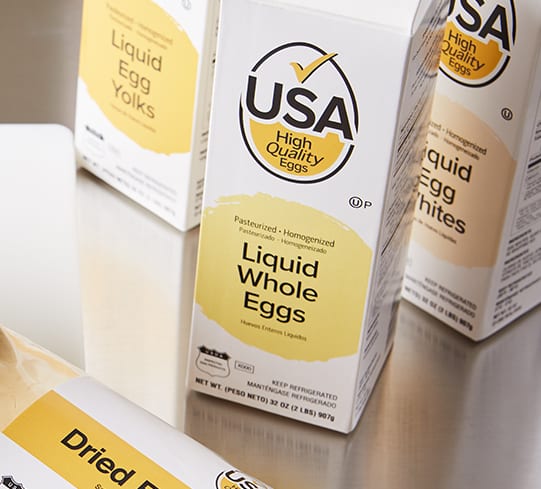
Both refrigerated and frozen egg products can be used in any formula where shell eggs are required. These types of egg products are easily integrated into manufacturing systems, including pumping and extrusion. AVAILABILITY The following egg products are available in refrigerated/frozen formats: LOCATE REAL REFRIGERATED/FROZEN EGG PRODUCTS PRODUCT CONVERSION Use this chart to convert refrigerated/frozen […]
Dried Egg Products
OVERVIEW Because most of their moisture is removed, dried egg products have a longer shelf life and are shelf stable. Dried egg products readily reconstitute and easily blend with other dry ingredients. AVAILABILITY The following egg products are available in dried formats: LOCATE REAL DRIED EGG PRODUCTS PRODUCT CONVERSION Use this chart to convert refrigerated/frozen […]